Toxic Shock Syndrome (TSS) is a rare but extremely serious medical condition. TSS is caused by toxins produced by certain types of bacteria. While it is often associated with tampon use, the truth is that TSS can affect anyone, irrespective of gender or the use of period product.
It is important to understand TSS and it’s symptoms for safe period care and overall health awareness.

Photo by Greg Pappas on Unsplash
What causes Toxic Shock Syndrome (TSS)?
Toxic Shock Syndrome (TSS) is mostly linked to toxins produced by Staphylococcus aureus (staph bacteria) and Streptococcus pyogenes (group A strep).
In general, these two bacteria can exist on the skin or in the body and remain harmless. However, under certain conditions, they may multiply and release toxins that enter the bloodstream and trigger a severe immune response.
How is Toxic Shock Syndrome (TSS) and tampon care connected to period products?
TSS gained attention in the 1980s when cases were linked to high-absorbency tampons. However, tampon manufacturing standards are much safer today, and TSS remains very rare.
However, it is important to understand that the risk can increase if:
- you leave your tampon in too long (that is longer than 8 hours);
- you use the wrong tampon absorbency (for example, using a super-absorbent tampon when your flow doesn’t require it;
- you do not properly clean menstrual cups;
- your diaphragm or contraceptive sponge is left in too long.
It is important to use period products with care. However, it is also important to note that TSS is rare, and that millions of people use tampons and menstrual cups safely every day.
What are the symptoms of Toxic Shock Syndrome (TSS)?
Symptoms of Toxic Shock Syndrome (TSS) can appear suddenly and escalate quickly. You should seek medical attention immediately if you experience:
- sudden high fever (39°C or higher)
- low blood pressure (feeling faint or dizzy)
- vomiting or diarrhea
- rash that looks like a sunburn
- muscle aches
- confusion
- redness of eyes, mouth, or throat
TSS should be considered a medical emergency, with early treatment significantly improving outcomes.
How common is TSS?
As mentioned, TSS is extremely rare. Period-related TSS affects a small number of people per year. With improved period product safety and better awareness of the condition, rates of TSS have dramatically declined since the 1980s.
Please note, the condition can also occur after surgery, skin wounds, or infections unrelated to periods.
How can you reduce your risk of TSS?
Helping to reduce your already low risk of TSS comes down to simple hygiene habits. Keep the following in mind:
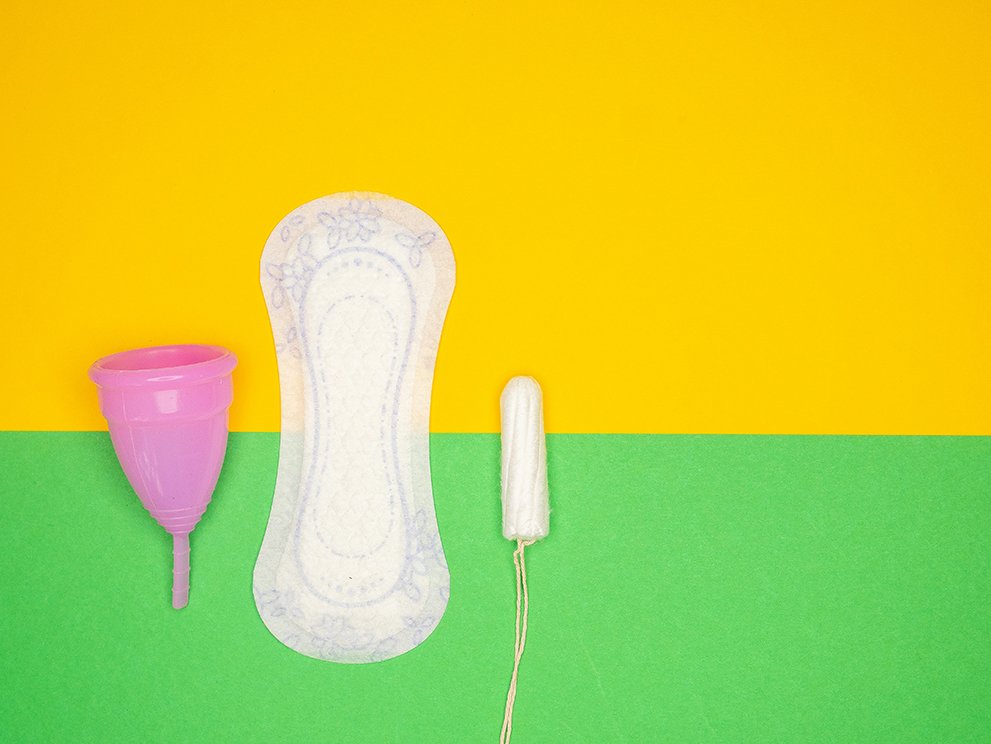
Tampon safety
- Change tampons every 4–6 hours.
- Use the lowest absorbency tampon needed for your flow.
- Do not use tampons for overnight period protection.
Menstrual cup safety
- Always sterilize between cycles.
- Empty and rinse every 8–12 hours.
- Wash hands before insertion and when removing.
General tips
- Follow period product instructions carefully.
- Alternate between pads and tampons where possible.
- Seek immediate medical care if symptoms occur.
Should you be worried about TSS?
In general and for most people, the answer is no.
TSS is rare, and period products are safe when used properly and as per instructions. Awareness of TSS is about empowerment, rather than fear. Understanding and being able to identify symptoms, and following usage guidelines, allows you to make confident, informed decisions about your menstrual health and managing your periods.
If you are worried you have TSS, when should you seek medical help?
If you develop flu-like symptoms during your period, especially while using tampons, menstrual cups or other internal products, remove the product immediately and seek professional medical care. Remember to tell your healthcare provider if you were using a tampon or menstrual cup.
TSS roundup…
Periods are already enough to deal with, so your period care should feel safe, easy and stress-free. By practicing good hygiene, being aware of your body and staying informed, you can confidently use the period products that work best for your body and lifestyle.
When it comes to TSS, a little knowledge goes a long way in keeping you safe.